Parilla Motorcycle Racing Vest Worn by Dick Gariepy | Complemented by 49 Star Flags | Circa 1962–1963
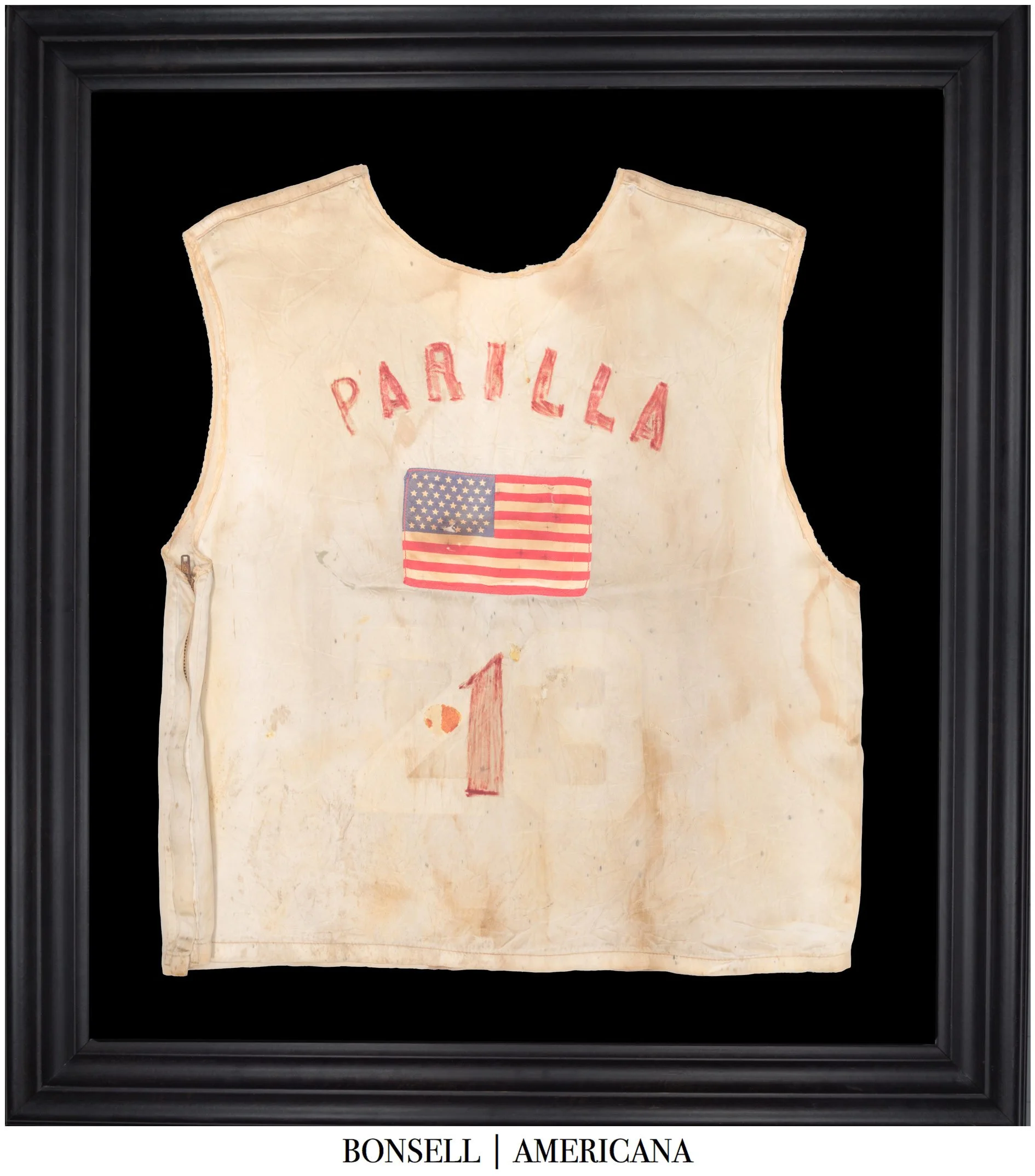
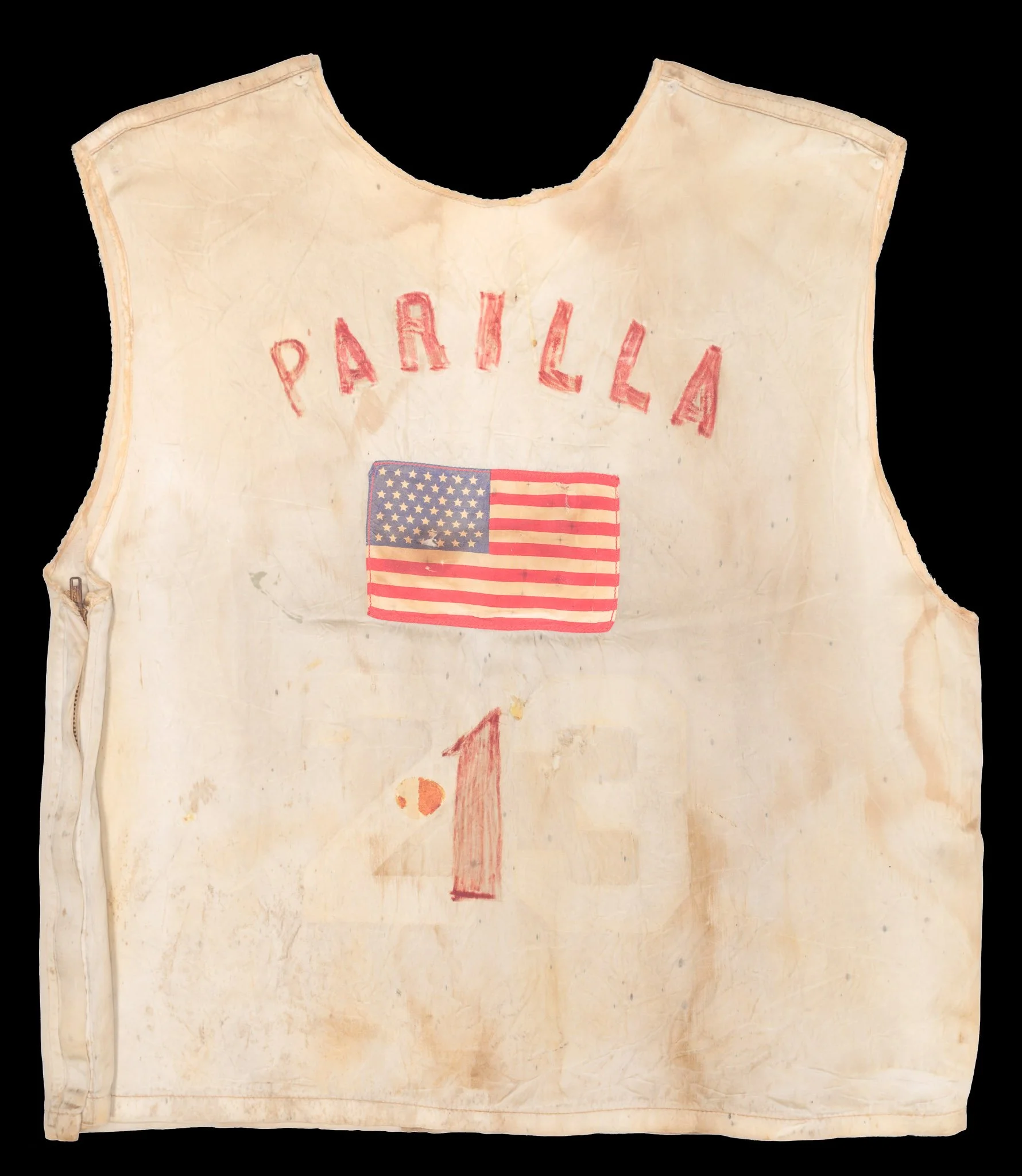
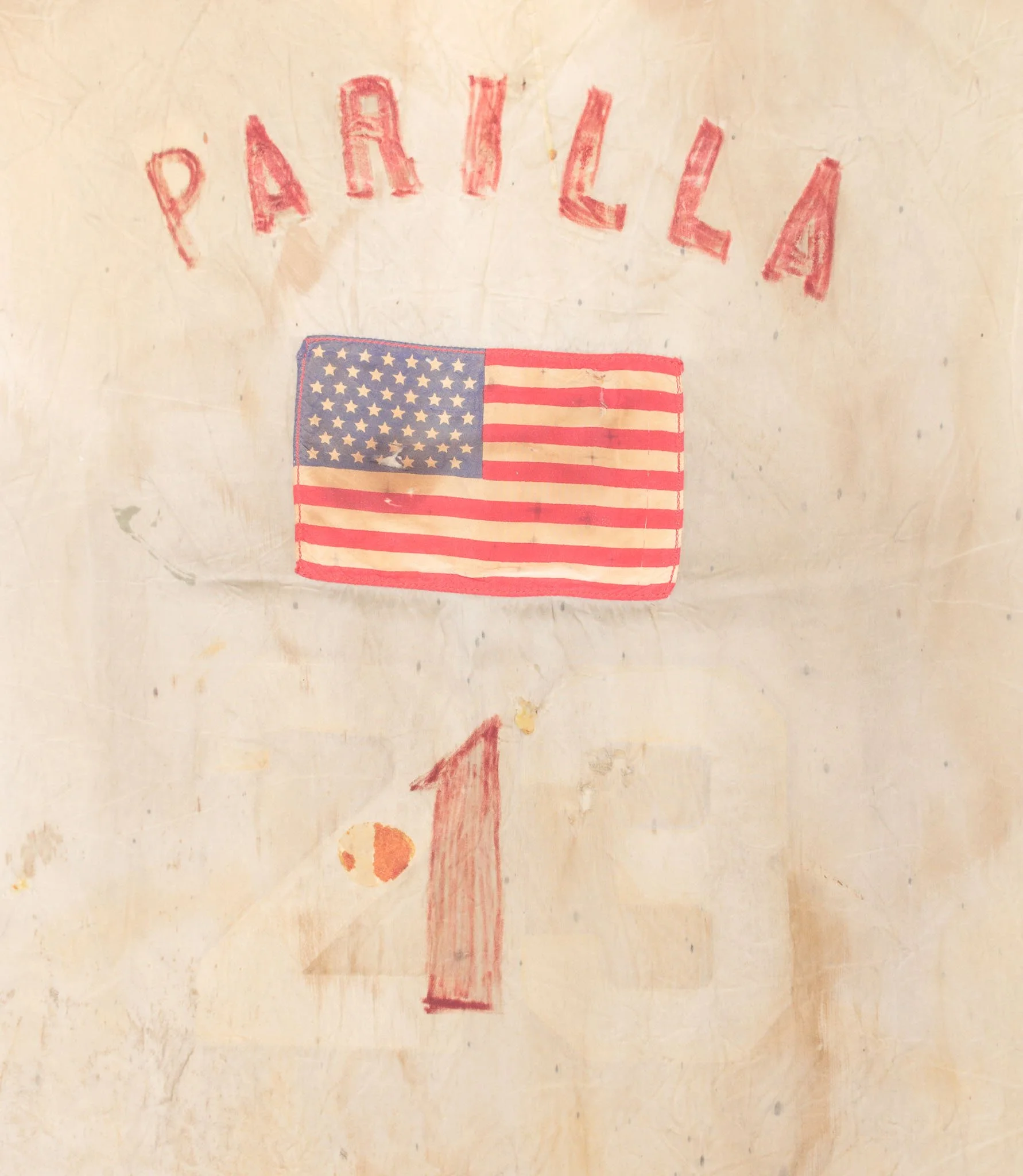
Parilla Motorcycle Racing Vest Worn by Dick Gariepy | Complemented by 49 Star Flags | Circa 1962–1963
Frame Size (H x L): 34.5” x 31.5”
Jersey Size (H x L): 23.5” x 20.5”
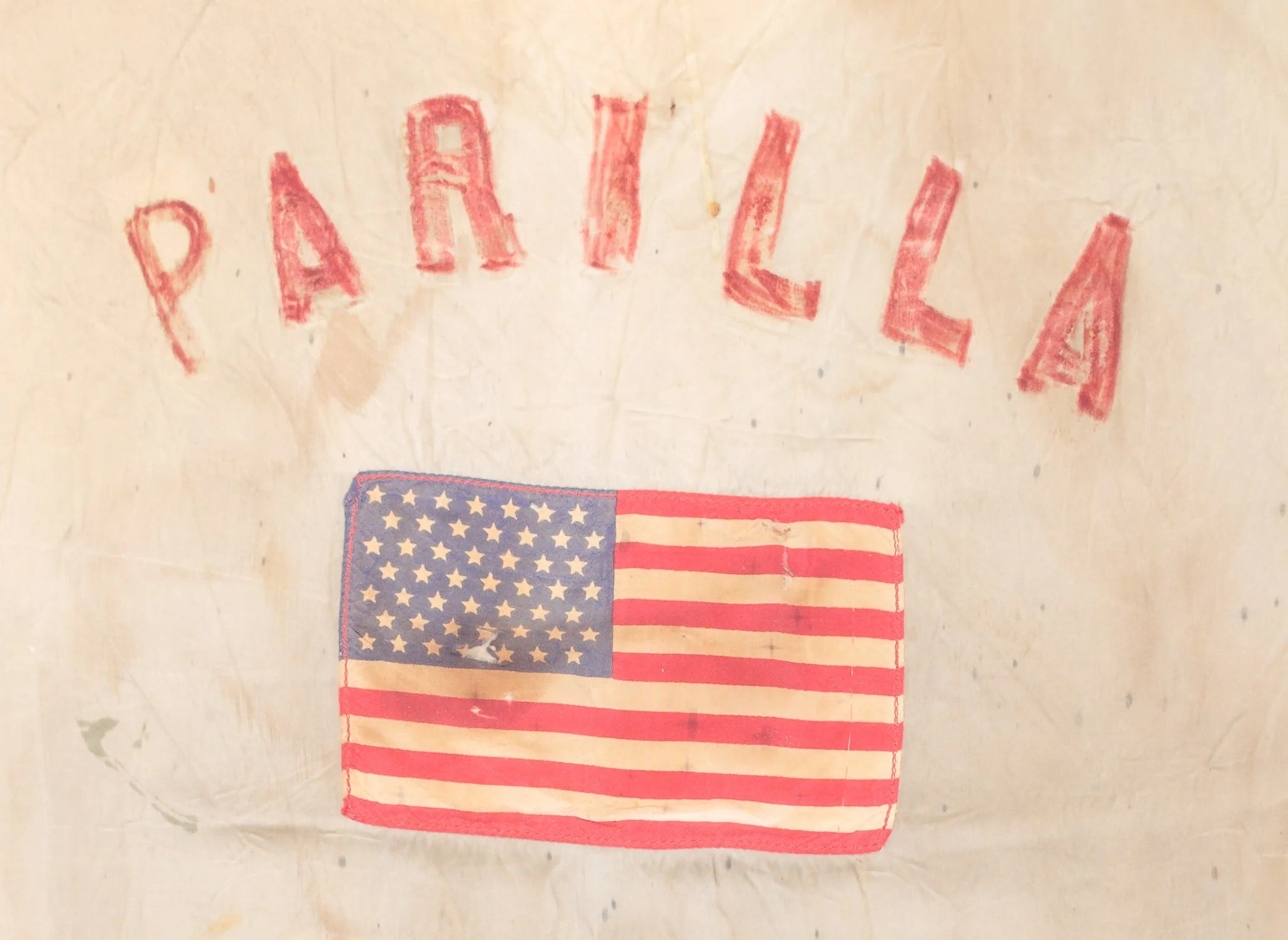
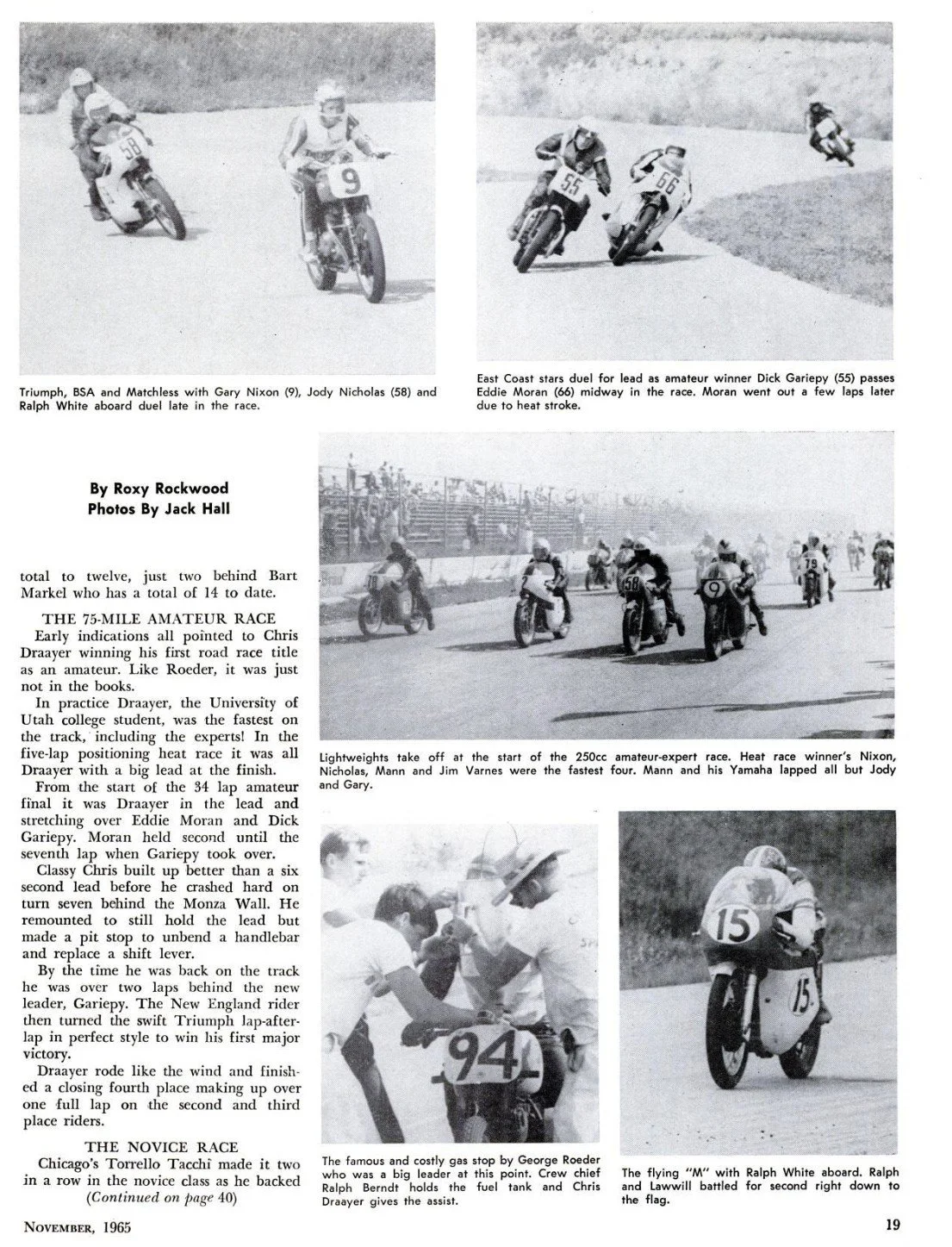
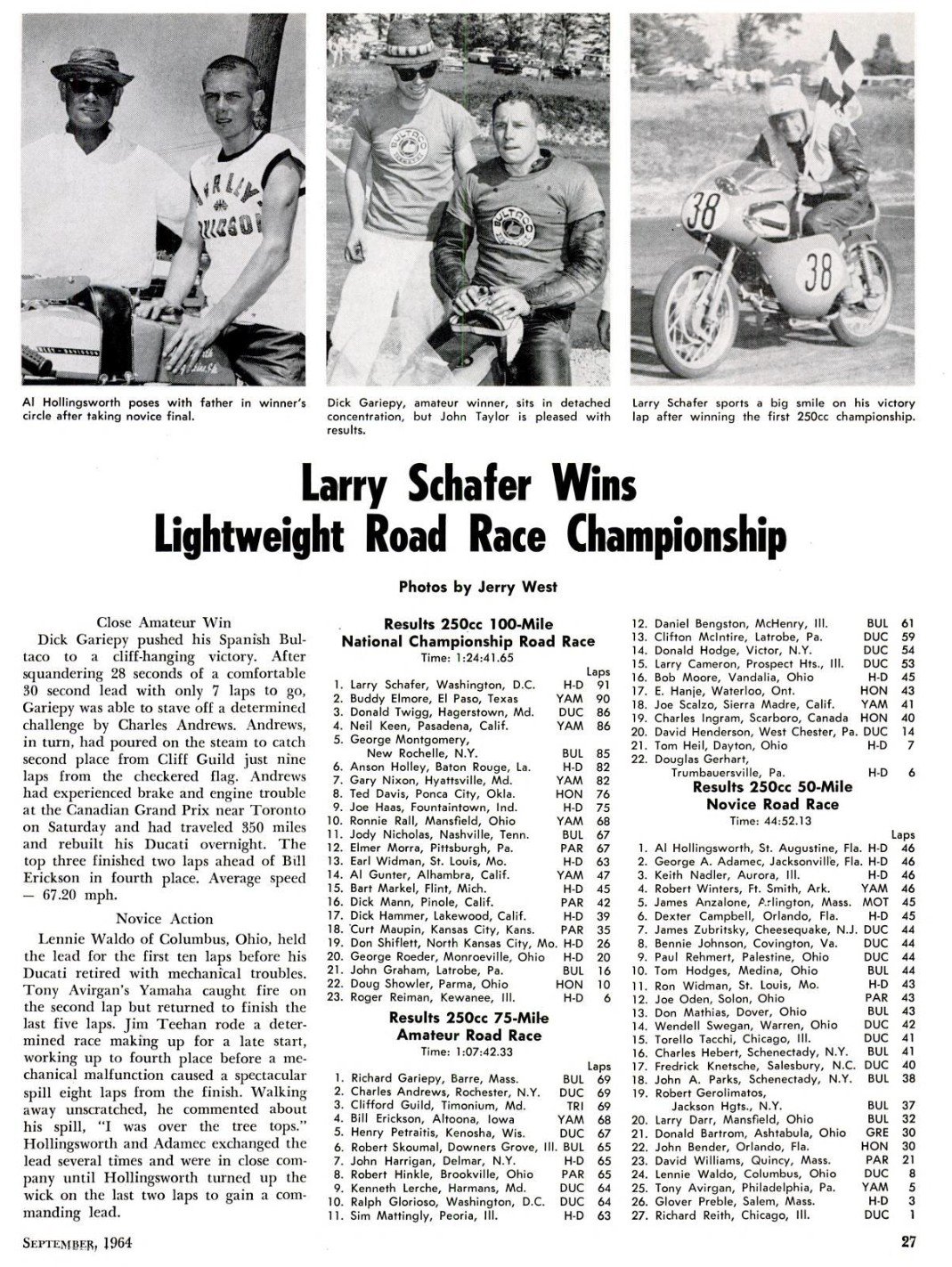
Offered is a sleeveless motorcycle racing vest attributed to Richard “Dick” Gariepy of Barre, Massachusetts, a leading East Coast scrambles rider and the 1962 North American Scrambles Champion. Dating to circa 1962–1963, the vest is made from rayon and is marked with the Italian motorcycle name PARILLA, a large red numeral 1, and silk 49-star American flags sewn to both the front and back. The side shown here is the back of the garment.
The vest was intended to be worn over a long-sleeved shirt, sweater, or other riding apparel. Period photographs show Gariepy and other scrambles riders wearing this general type of sleeveless outer jersey over a contrasting long-sleeved layer. Such garments provided a practical surface for displaying a rider’s number, motorcycle marque, sponsor, or national identity while allowing the clothing underneath to be changed according to weather and track conditions.
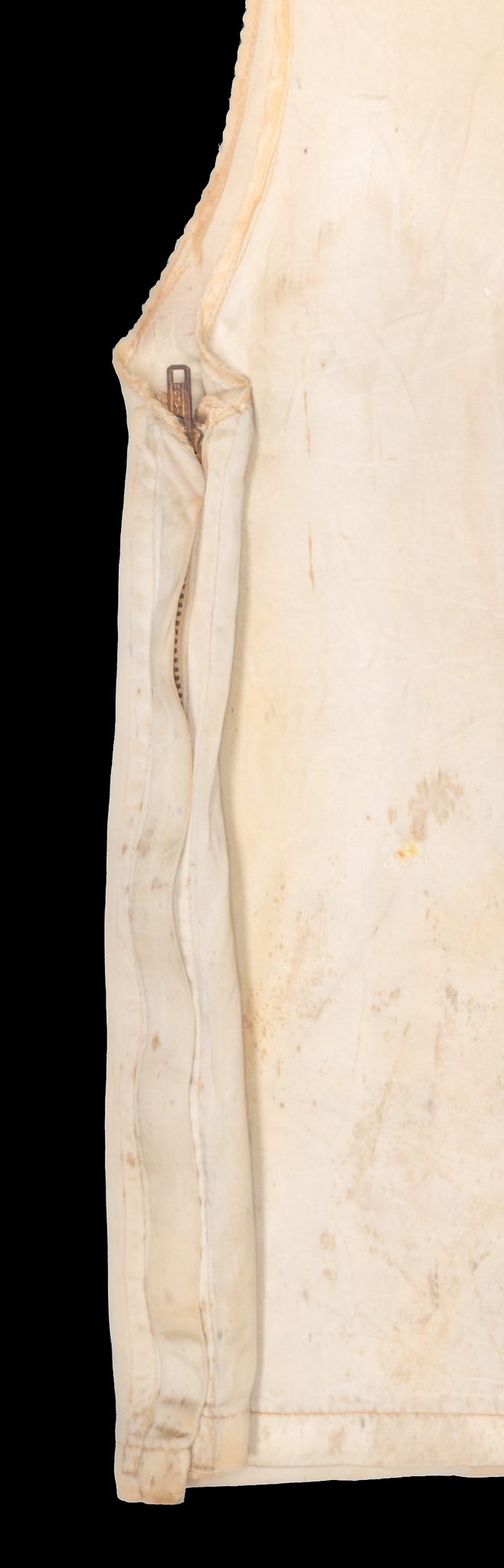
The garment closes along the left side with a metal Talon zipper, allowing it to be pulled over other clothing without a center-front opening. Talon was one of the principal American zipper manufacturers of the period, and the metal fastener is consistent with an early-1960s date.
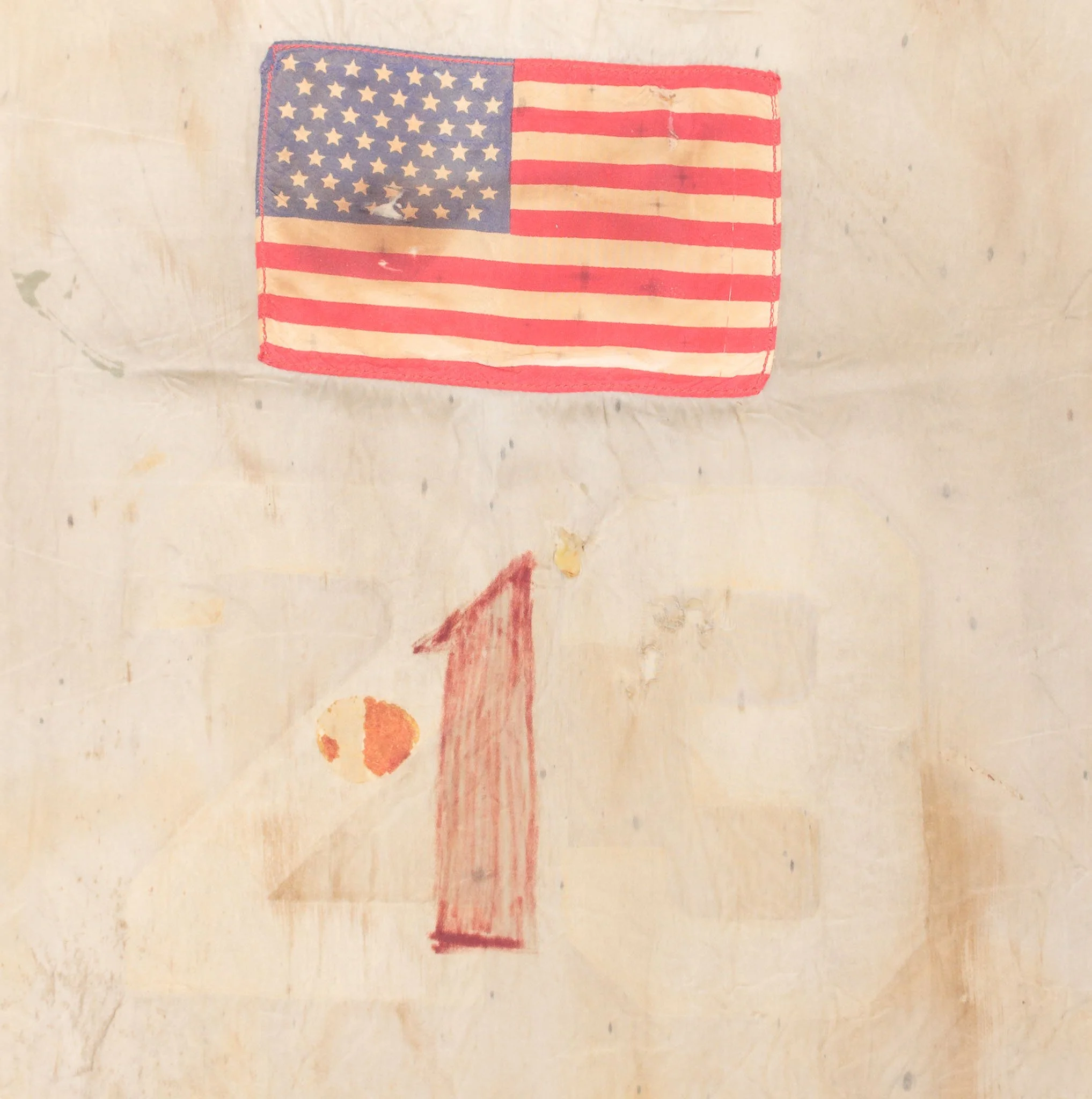
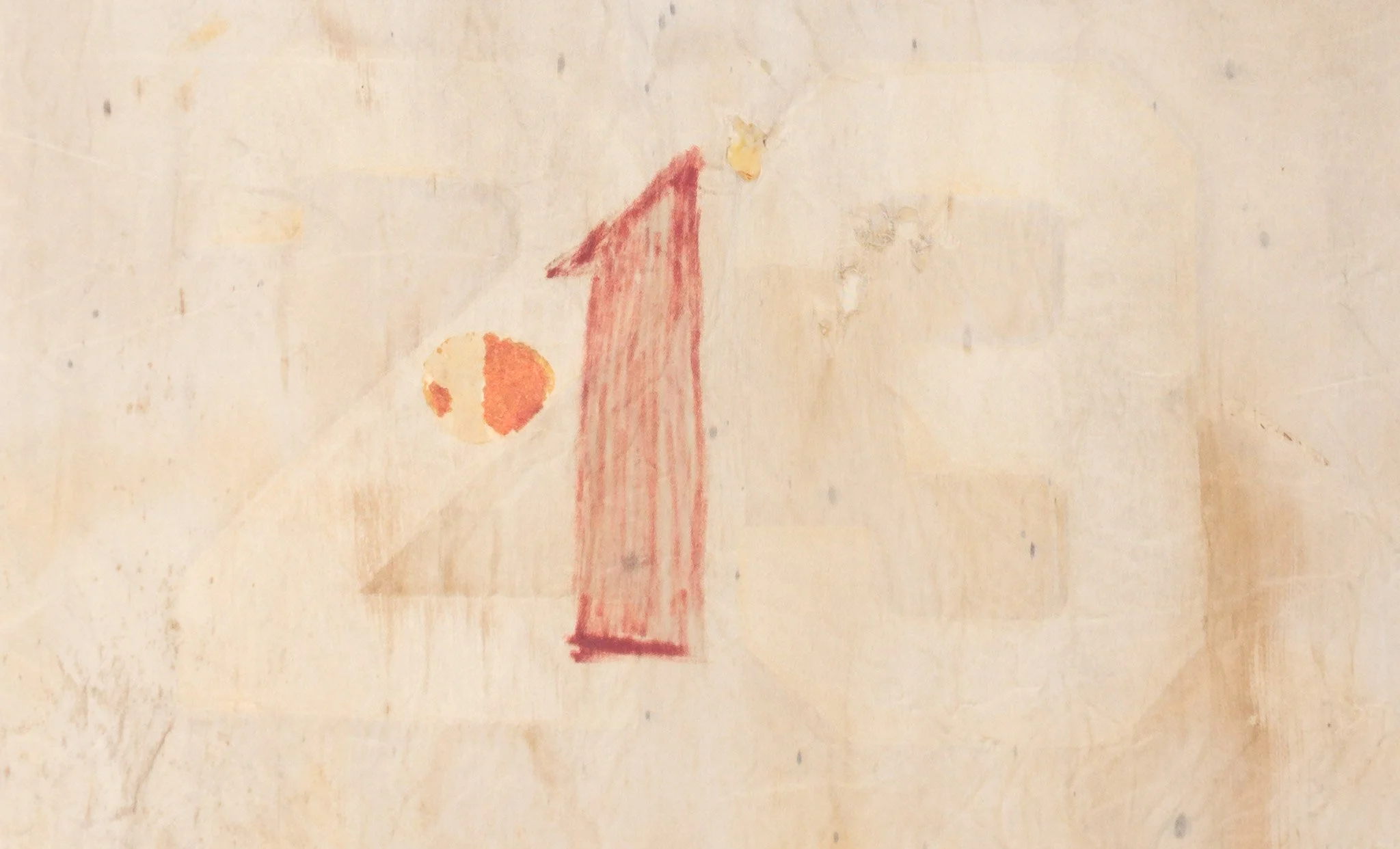
Across the upper back, the name PARILLA is painted by hand in large red letters. Beneath the flag is a similarly hand-painted red numeral 1.
A faint but legible 23 remains visible beneath and around the painted numeral. In person, the number appears as cleaner or less-damaged fabric. This suggests that applied numerals, perhaps adhesive-backed or heat-applied, once covered the textile and protected it from wear and discoloration. After the numerals were removed, their outline remained as a ghost image.
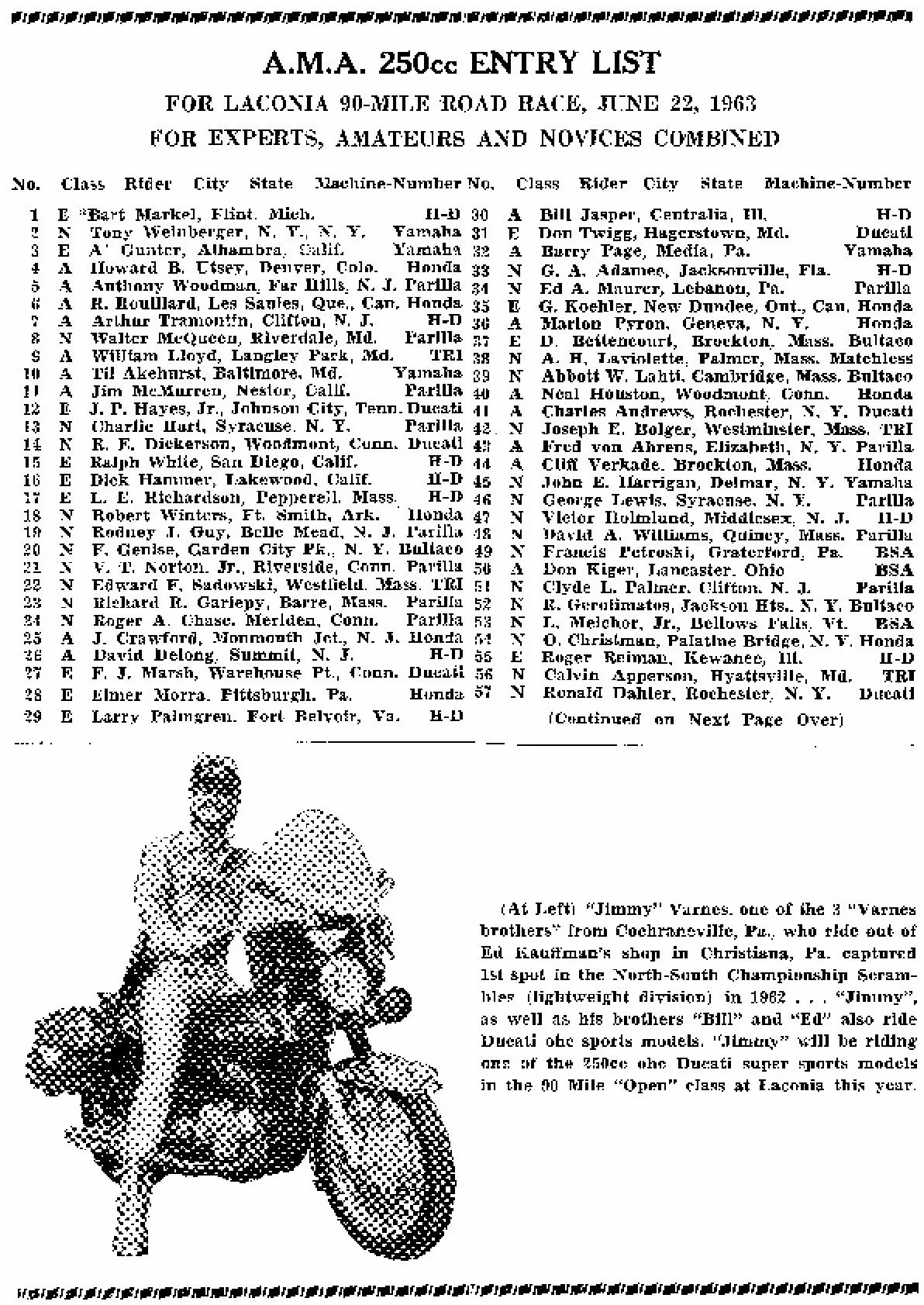
This corresponds with a documented Gariepy racing entry. In the program for the June 22, 1963 Laconia 90-Mile 250cc Road Race, Richard Gariepy of Barre was entered as No. 23 aboard a Parilla. The match among rider, motorcycle, and number is notable. It cannot be proven that the ghosted number on the vest relates specifically to that race, given motorcycle numbers often changed by event and class, but the association is logical. The later painted “1” indicates that the vest was likely renumbered for another competition.
The silk American flags sewn to the front and back each contain 49 stars arranged in seven rows of seven. The flags are machine sewn around their perimeters. The 49-star count has a narrow historical period. Alaska entered the Union on January 3, 1959, and the 49-star flag became official on July 4 of that year. Hawaii entered the Union later in 1959, and the 50-star flag became official on July 4, 1960. The 49-star flag was therefore official for only one year.
The flags do not necessarily date the completed vest to 1959–1960. Small 49-star flags remained available after the official change and could have been incorporated into a garment several years later. The stronger dating evidence is Gariepy’s documented Parilla activity in 1962 and 1963. The vest is therefore most reasonably dated to that period.
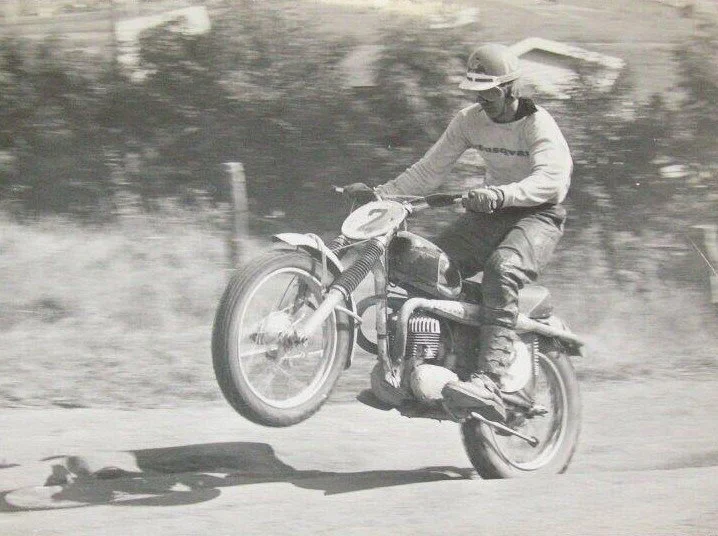
Richard Rice Gariepy became an accomplished New England motorcycle racer during the period when American scrambles competition was developing toward what is now generally called motocross. Scrambles combined dirt, natural terrain, elevation changes, and high-speed sections, requiring both speed and control. Gariepy also competed in TT events and road racing.
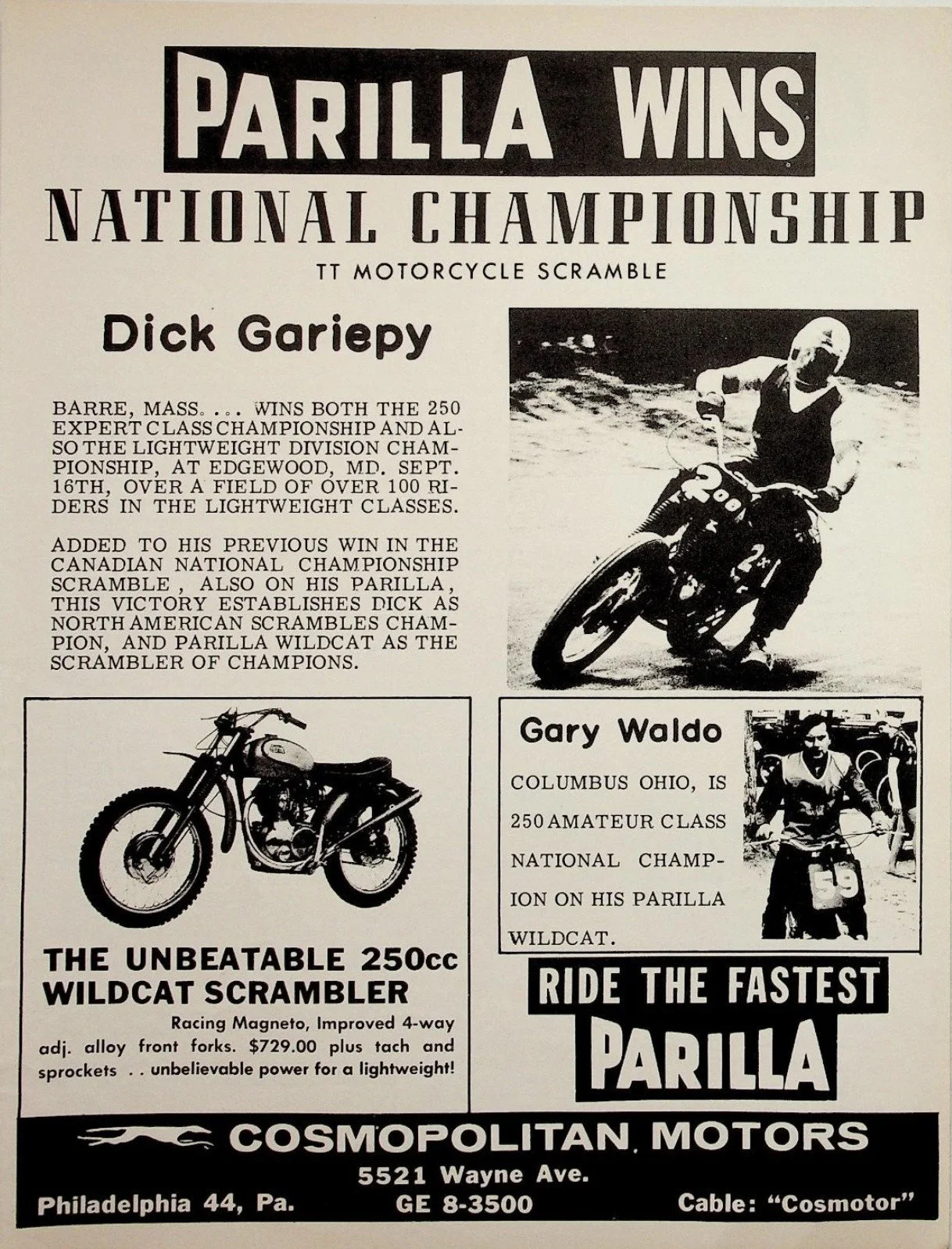
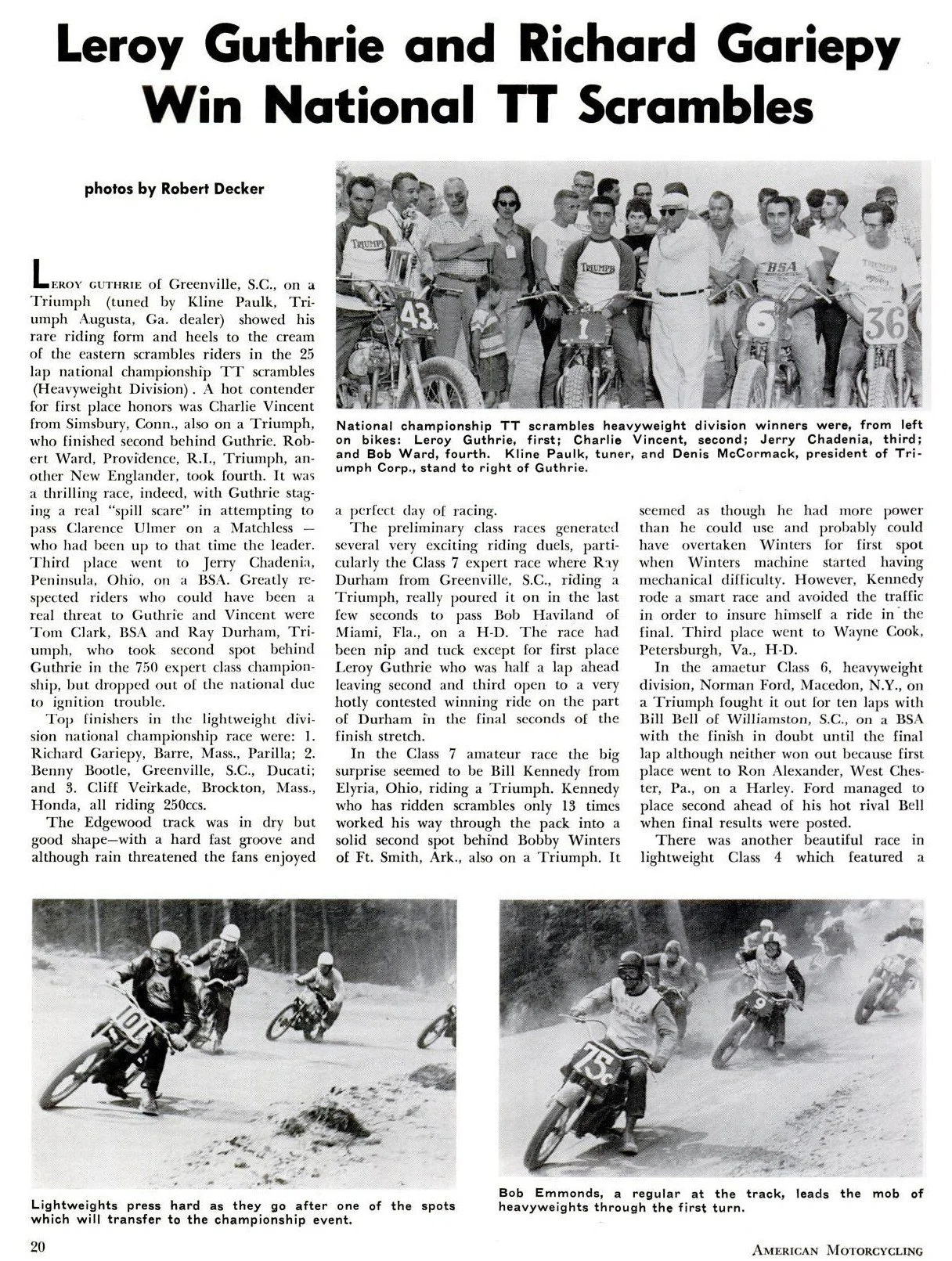
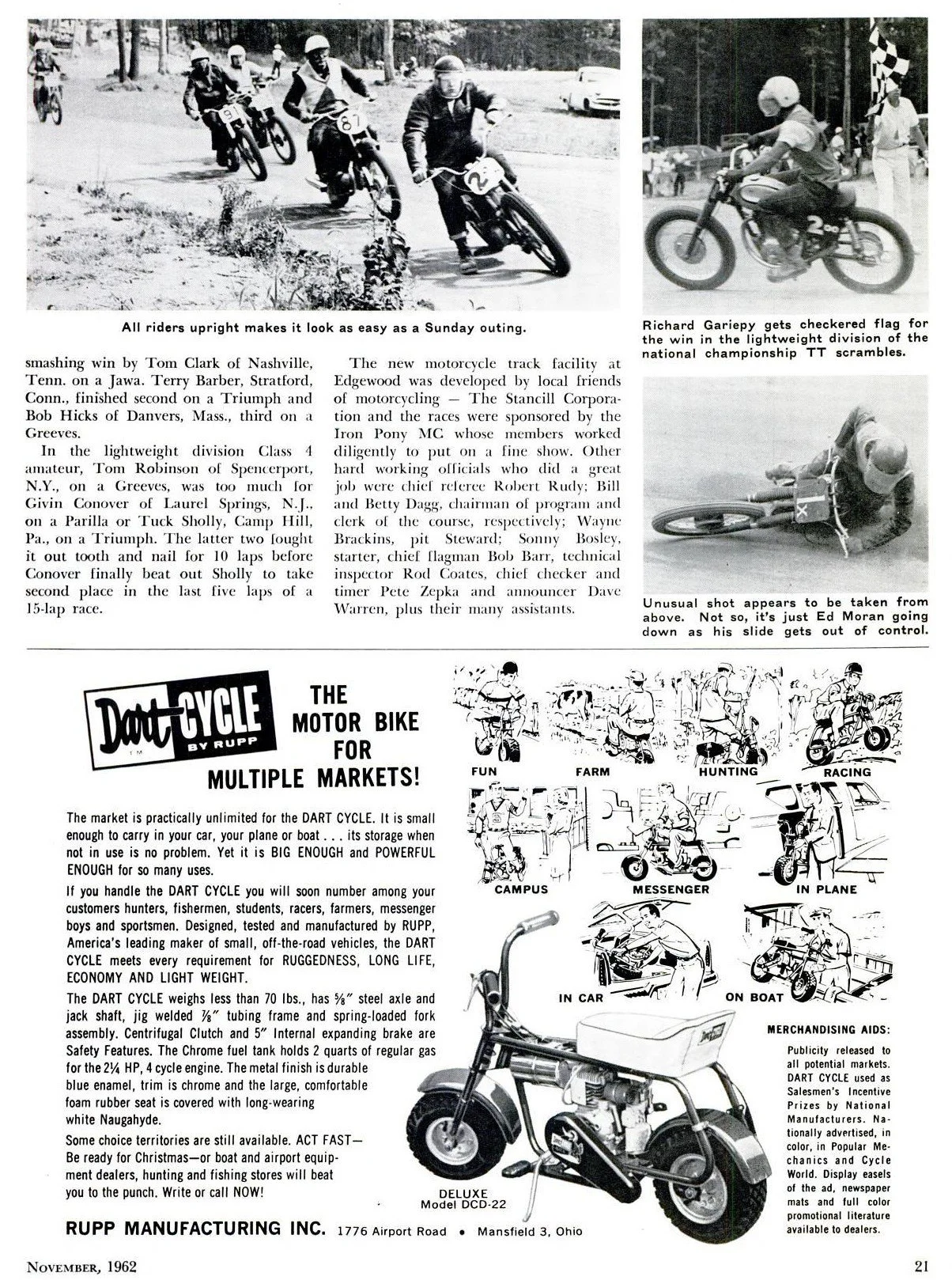
His most significant season came in 1962, when he raced a 250cc Parilla Wildcat. Period accounts credit him with victories at the Canadian National Championship Scramble, the AMA National TT Motorcycle Scramble Championship at Edgewood, Maryland, and the North-South Challenge. At Edgewood, he won both the 250cc expert-class championship and the overall lightweight-division championship in a field reported to include more than 100 lightweight riders. Together with his Canadian victory, the result established him as the North American Scrambles Champion.
Contemporary Parilla advertising used Gariepy’s championship success to promote the 250cc Wildcat. One advertisement announced “PARILLA WINS NATIONAL CHAMPIONSHIP” and identified him as the North American Scrambles Champion. Period photographs also show Gariepy wearing sleeveless outer racing garments of the same general type as the present vest.
Parilla was founded in Milan, Italy, by Giovanni Parrilla after World War II. The company became known for technically advanced lightweight motorcycles and achieved success in road races and scrambles competitions. The 250cc Wildcat was marketed as a serious lightweight competition motorcycle, and Gariepy’s 1962 victories became an important part of its American advertising.
Gariepy continued racing for decades. His obituary noted that he won back-to-back vintage motorcycle championships in 2011 and 2012 while in his seventies. The present vest dates from the early and most historically significant period of his career.
The combination of the hand-painted Parilla name, changing race numbers, Talon side zipper, paired silk 49-star flags, and Gariepy provenance places the vest within early-1960s American motorcycle competition and Parilla’s brief but successful racing presence in the United States.
Conservation Process: The jersey was hand sewn to cotton fabric, and both were hand sewn to a mounting board. To prevent the black dye in the cotton fabric from seeping into the jersey, it was first washed in a standard wash and then in a dye setting wash. The jersey is positioned behind Optium Museum Acrylic.
Frame: The frame is a deep-profile moulding with a simple, classical profile, finished in a dark cocoa-brown tone.
Condition Report: The vest exhibits extensive period wear, including overall soiling, discoloration, scattered staining, creasing, and surface abrasion. There are several small holes and losses, particularly near the center and lower portions, along with wear at the neckline, arm openings, seams, and zipper area. As the garment was used as a motorcycle racing jersey, at least some of this wear is likely associated with track use. The painted lettering and numeral remain legible, while the applied flags show minor soiling and localized wear.
Collectability Level: The Good – Perfect for Beginners and Gifts
Date of Origin: 1962-1963