
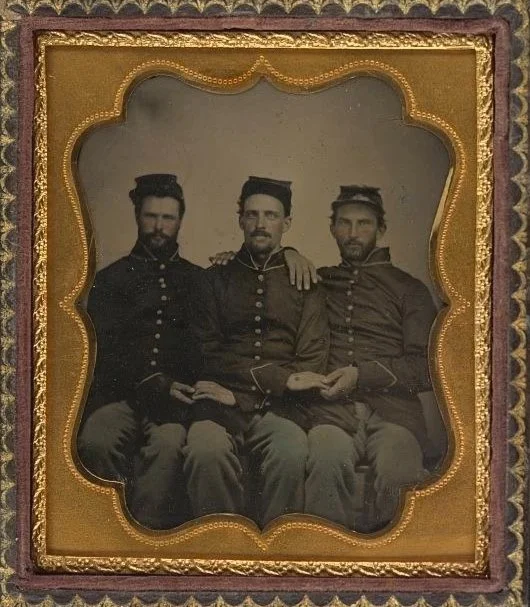
Three Union soldiers sit closely together in their uniforms during the Civil War, their caps and buttoned coats marking them as members of the Federal army between 1861 and 1865. Their steady expressions and informal pose suggest a moment taken away from the demands of camp or campaign, when soldiers often visited photographers to create keepsakes for family and friends. Images like this served as personal records in a time of uncertainty, when many who enlisted did not return home.
Drummer Jesse W. Mills of Co. G, 51st New York Infantry Regiment in Zouave Uniform with Drum
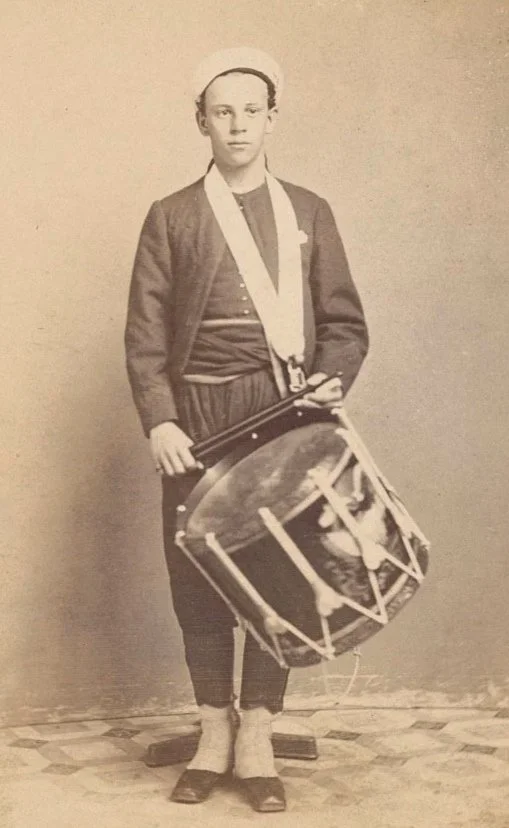
A young drummer of the 51st New York Infantry stands in full uniform during the Civil War, his drum suspended by a shoulder strap and held ready at his side. Musicians like him played a critical role in Union armies, using drumbeats to relay orders across the chaos of battle and to regulate the daily routines of camp life. The distinctive zouave-style uniform reflects a popular mid-19th century military fashion inspired by French units, adopted by several American regiments for its striking appearance.
Flag of 37th Pennsylvania Infantry
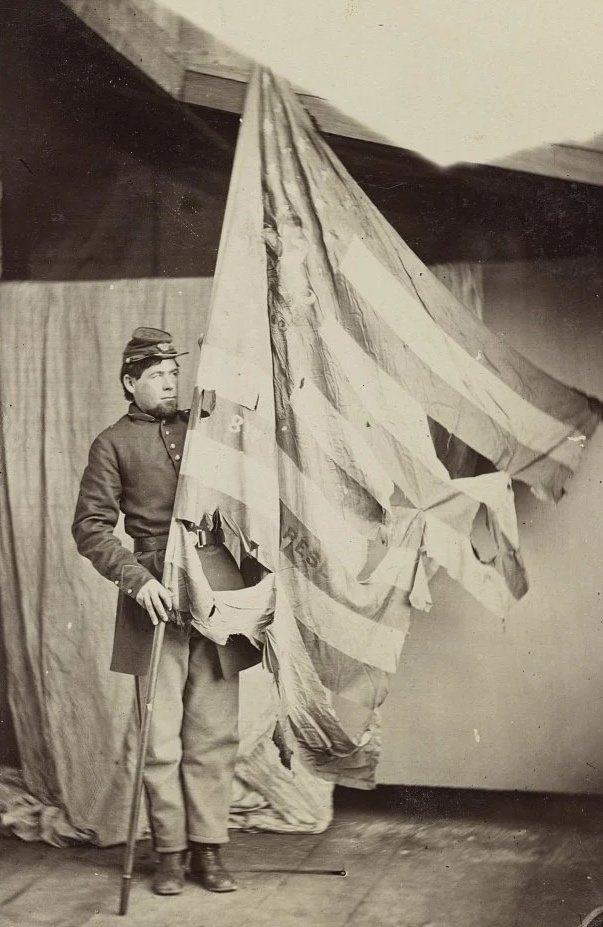
A Union soldier stands with the battle-worn flag of the 37th Pennsylvania Infantry, its torn fabric bearing the marks of heavy service during the Civil War. Regimental colors served as both a rallying point in combat and a symbol of unit identity, often carried into the most dangerous positions on the field. The damaged banner reflects the intensity of the fighting and the sacrifices made by volunteer soldiers, while preserving the legacy of a unit that endured some of the war’s hardest campaigns.
Home Barber Shop
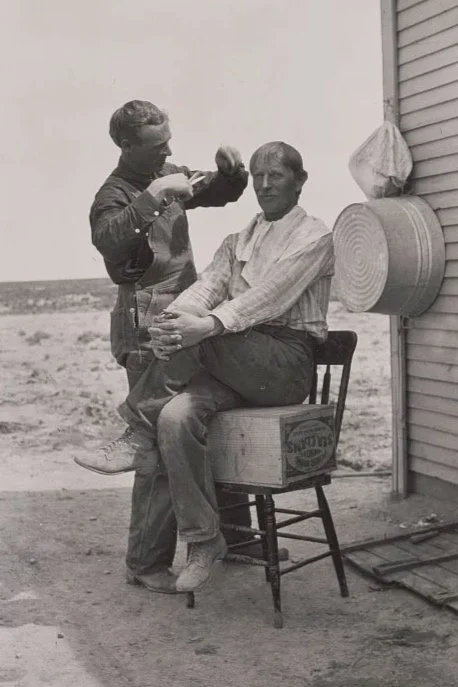
A makeshift barber shop in rural Idaho between 1912 and 1920 reflects the resourcefulness of everyday life in the early 20th century. With limited access to formal businesses, services like haircuts were often handled informally at home or outdoors, using simple tools and whatever space was available.
National Association of Army Nurses of the Civil War, 1861-1865 / by E. Chickering & Co.
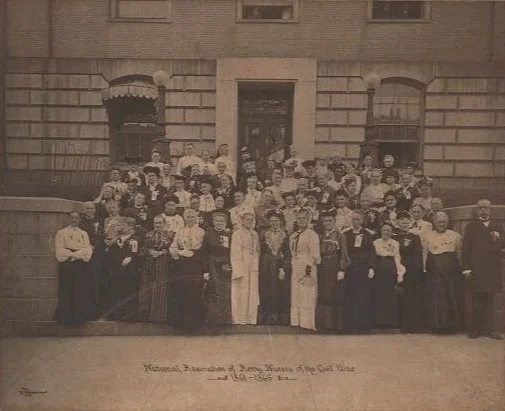
Members of the National Association of Army Nurses of the Civil War gather for a group portrait in Boston, Massachusetts in 1904, decades after their service during the American Civil War. At the center stands Clara Barton, one of the most recognized figures in wartime nursing and later founder of the American Red Cross. These women cared for wounded soldiers in hospitals and field settings.
General French, Taken in Camp on the Chickahominy, 29th of May, 1862
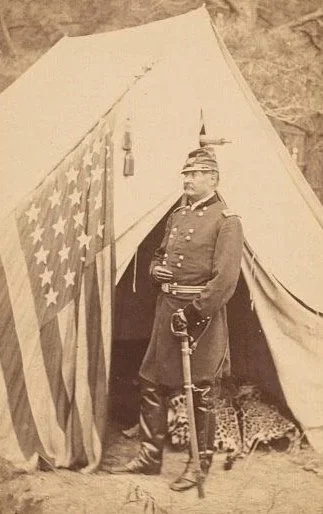
William Henry French, an officer in the U.S. Army’s 2nd Mounted Artillery, stands outside his field tent along the Chickahominy River in May 1862 during the American Civil War. A U.S. flag hangs at the entrance while the general appears in full uniform with sword at his side. Images like this were often produced by studios connected to Mathew B. Brady, whose photographers documented Union officers and soldiers during the war, creating some of the most enduring visual records of the conflict.
Civil War Veteran and Amputee Henry A. Seaverns
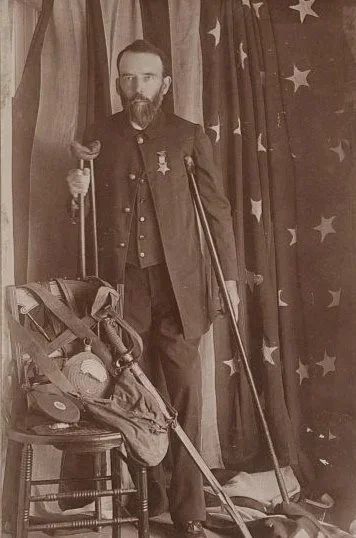
Portrait showing Civil War veteran Henry A. Seaverns of the 11th and 39th Massachusetts Infantry Regiments. He stands in uniform in front of an American flag, steady on crutches, the result of wounds suffered during the war. His sword, canteen, and other equipment are set beside him, simple reminders of his time in the ranks. Like many Union veterans, Seaverns remained involved in postwar organizations that preserved the memory of the conflict and the cause for which they fought.
Judge of Racing Events. Imperial County Fair, California
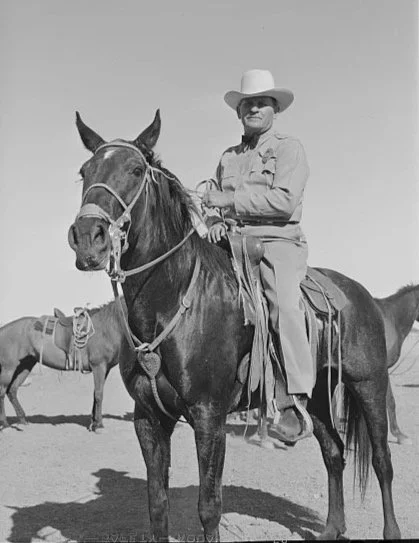
A racing judge on horseback at the Imperial County Fair in California. County fairs were central events in rural communities, bringing together agriculture, competition, and local pride. Horse racing and riding contests reflected the region’s ranching traditions and the working role horses still played in western life. Even with the country at war, gatherings like this continued, showing how local traditions carried on alongside the larger demands of the time.
Washington, D.C. Vice President Henry A. Wallace in His Victory Garden
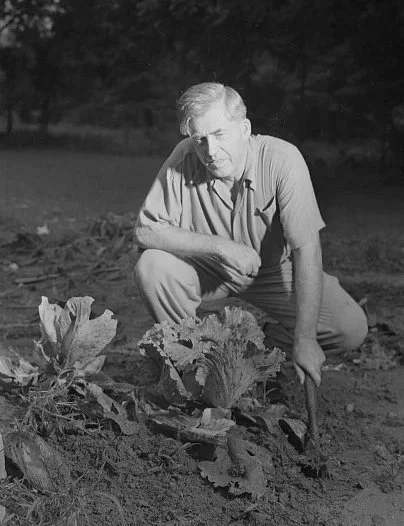
Vice President Henry A. Wallace tending his victory garden in Washington, D.C., during World War II. Victory gardens became common across the country as Americans were encouraged to grow their own vegetables to ease demand on the national food supply. Backyards, schoolyards, and city lots were turned into small farms in support of the war effort.
Red Cross, American. Sanitary Railroad Car
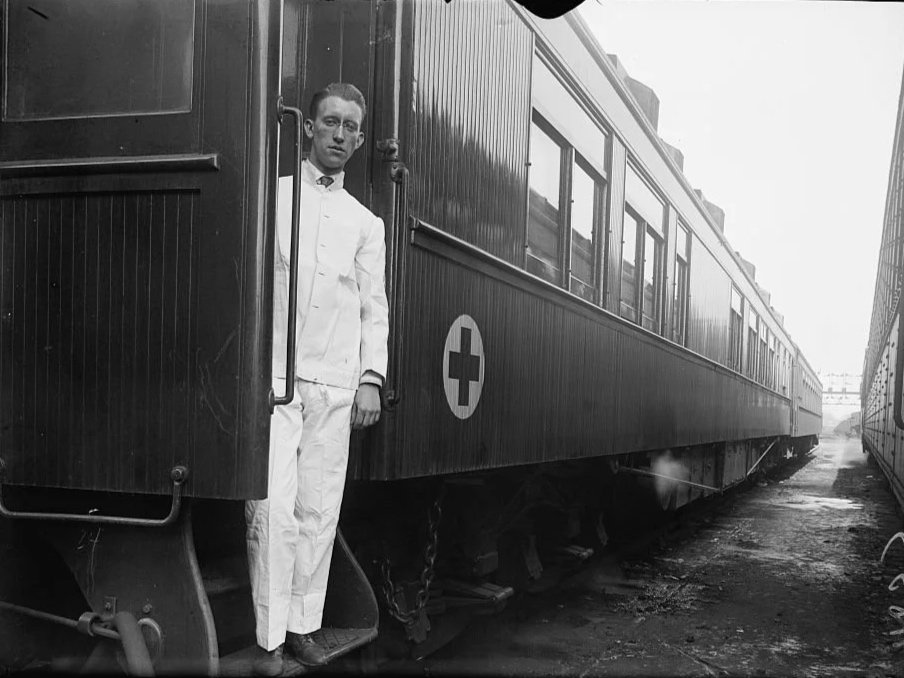
The American Red Cross sanitary railroad car, was part of the massive support network built during World War I. These specially outfitted railcars were used to move wounded soldiers and deliver medical care as troops flowed through rail hubs on their way to ports and training camps. Railroads were the backbone of wartime logistics, and the Red Cross played a hands-on role alongside the military.
Presidential Escort Crossing Gros Ventre River
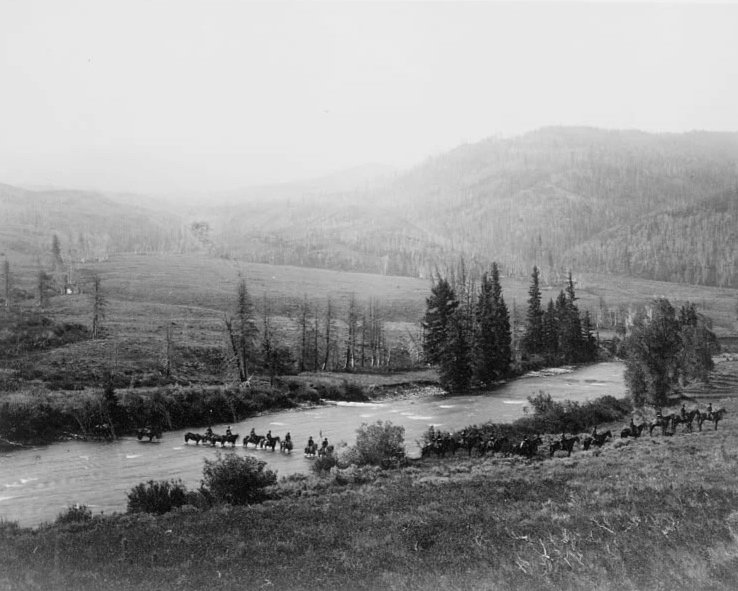
1883 photograph shows a presidential escort on horseback crossing the Gros Ventre River in western Wyoming, during a tour that passed through Yellowstone National Park. The scene reflects how travel in the American West was still rugged and slow, even for national leaders, with rivers crossed on horseback rather than by bridge.
View of Vintage Car at the Hackberry General Store, Route 66, Hackberry, Arizona
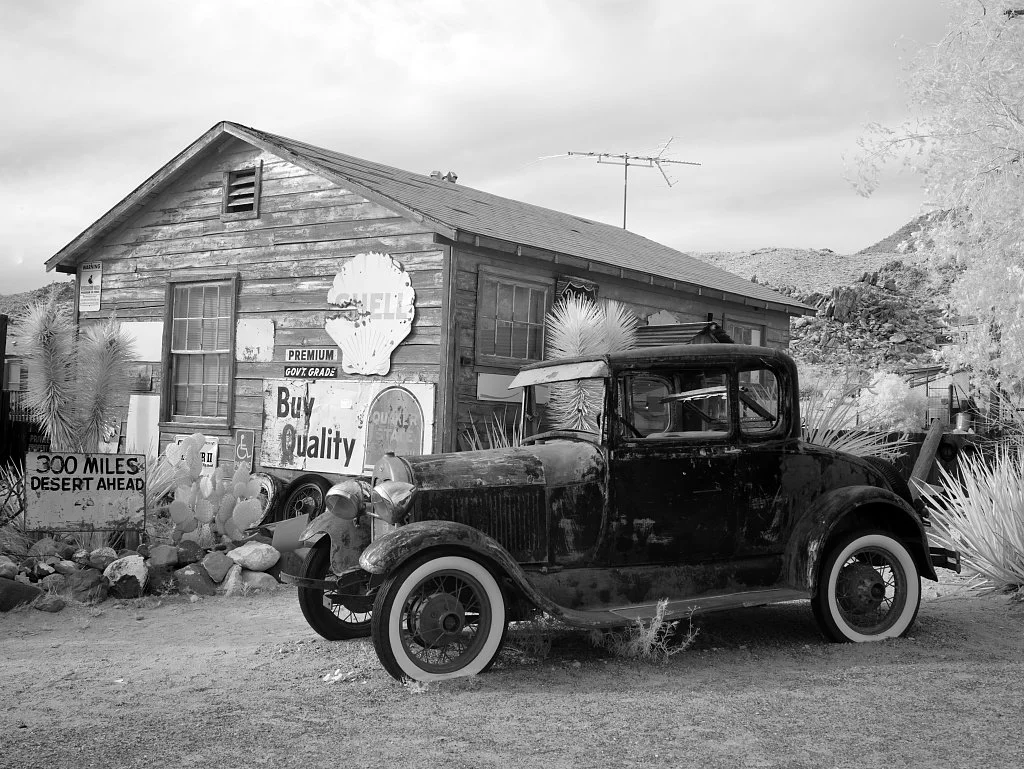
An old car parked outside the Hackberry General Store in Hackberry, Arizona, along Route 66, photographed in 2004 by Carol M. Highsmith. The worn vehicle, faded signs, and simple wooden building reflect the era when Route 66 was a lifeline for small desert towns, serving travelers heading west or back east. Places like Hackberry depended on highway traffic for survival, offering fuel, food, and a brief rest in an otherwise remote landscape. As newer interstates bypassed these routes, many towns faded, leaving behind scenes like this.
Yellowstone Canyon and Great Fall, Wyoming
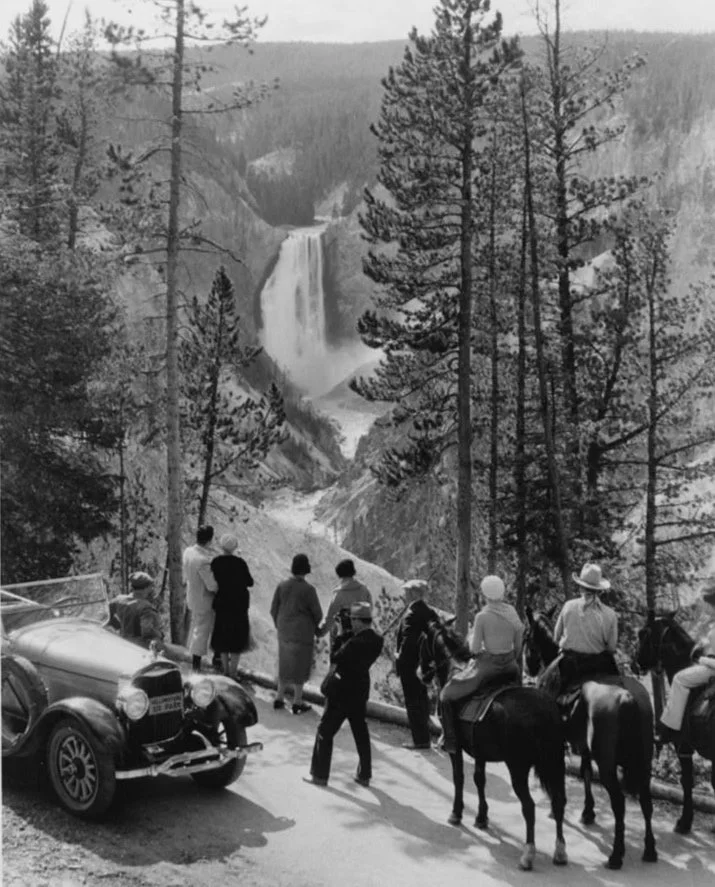
Visitors gathered at the edge of the canyon to look out over the Great Fall of the Yellowstone River in Yellowstone National Park. A parked automobile sits alongside people on horseback, a reminder that the park was being seen during a shift from old travel habits to modern road trips. By this time, national parks were no longer just remote wilderness but places families and tourists could reach by car.
Soldier in Union Uniform Standing by American Flag
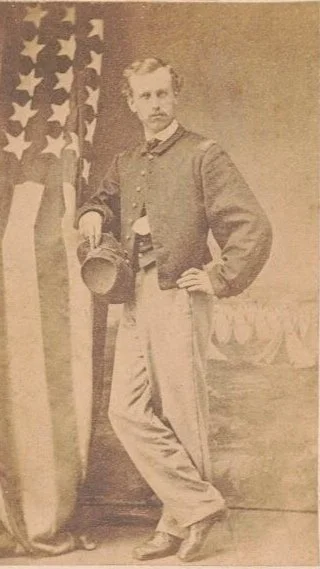
Civil War soldier portrait, Union Army uniform, American flag Civil War, 19th century military photography, Civil War era patriotism, Union soldier studio portrait, antique American flag imagery, Civil War Americana, U.S. military history 1860s, vintage patriotic photography, Union Army soldier, Civil War flag symbolism
Patriotic Child on the Fourth of July
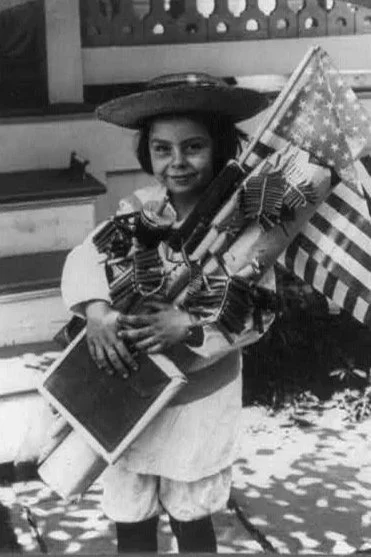
A child poses with an armful of fireworks and an American flag in this photograph made around 1906, on the day before the Fourth of July. Children often played a central role in the holiday, carrying flags and firecrackers as symbols of anticipation rather than ceremony. The glimpse of an earlier, more informal kind of patriotism, rooted in everyday life and shaped by traditions that predate modern rules and organized celebrations.