
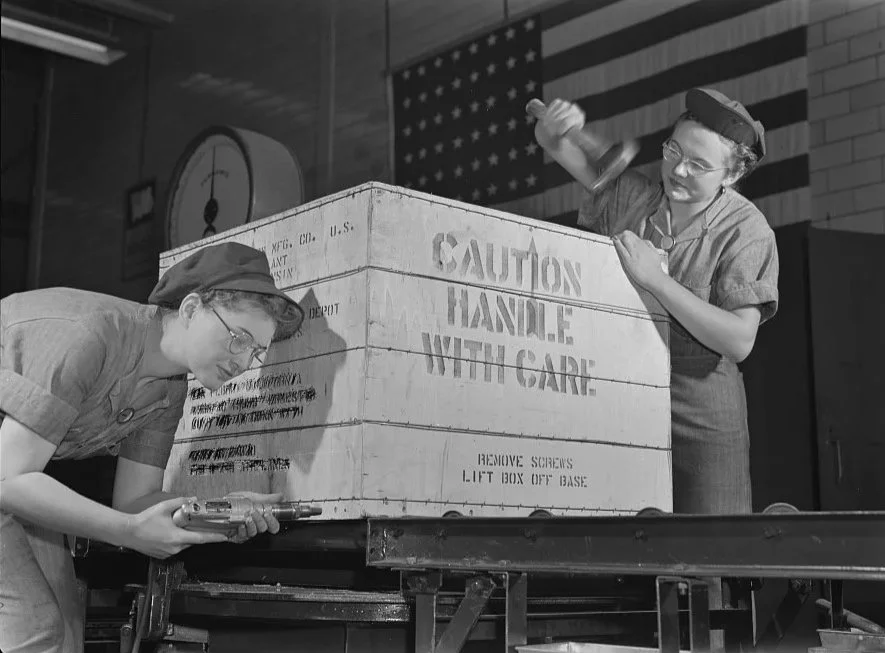
Women working in a Midwest aircraft parts plant in 1942 reflect the shift in the American workforce during World War II, as millions stepped into industrial jobs to support the war effort. With many men serving overseas, women took on skilled roles in factories, including the production and shipment of critical equipment like superchargers for military aircraft. Efforts like these helped sustain wartime production and marked a lasting change in opportunities for women in American industry.
Celebrating Victory in London
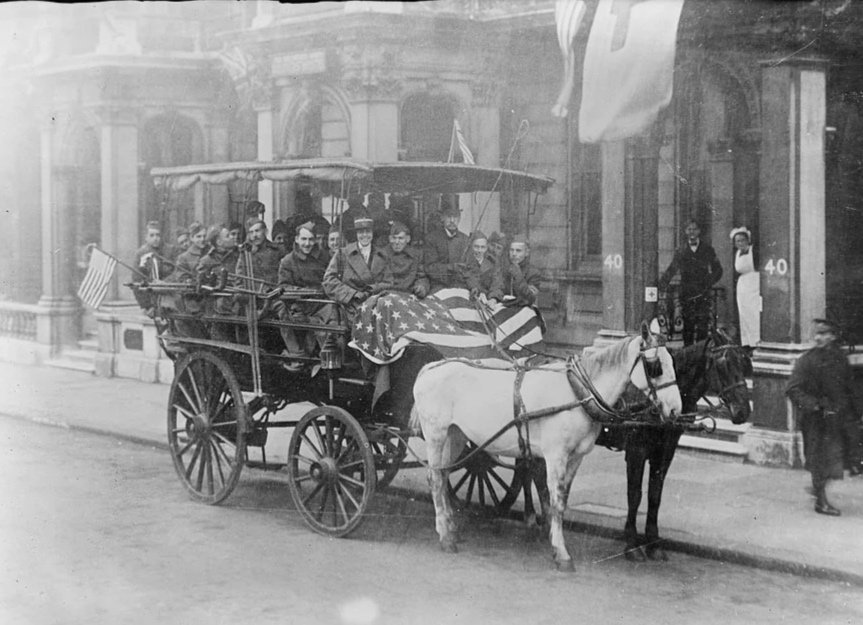
American soldiers recovering from their wounds ride through London in December 1918, taking part in victory celebrations following the end of World War I. Transported from hospitals across the city, these men joined public parades that marked the close of the war and honored their service. Organized with support from the American Red Cross.
Daughters of American Revolution. George Washinton Celebration. W.S. Smoot
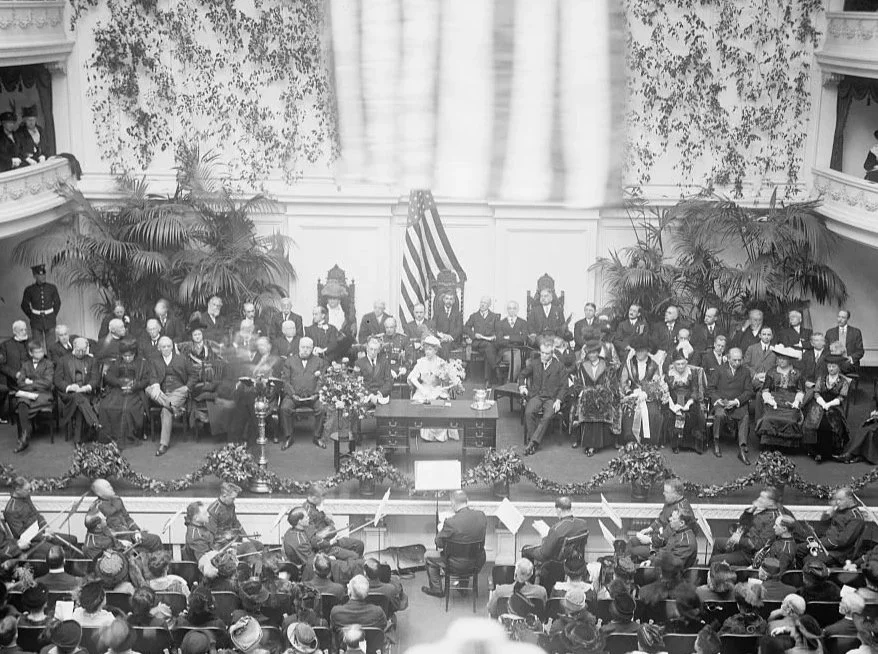
A formal gathering of the Daughters of the American Revolution in 1915 marks a George Washington celebration, bringing together civic leaders, military officers, and members of the public to honor the nation’s founding legacy. Public ceremonies and commemorations played a key role in shaping how Americans remembered the past and expressed civic pride.
Home Barber Shop
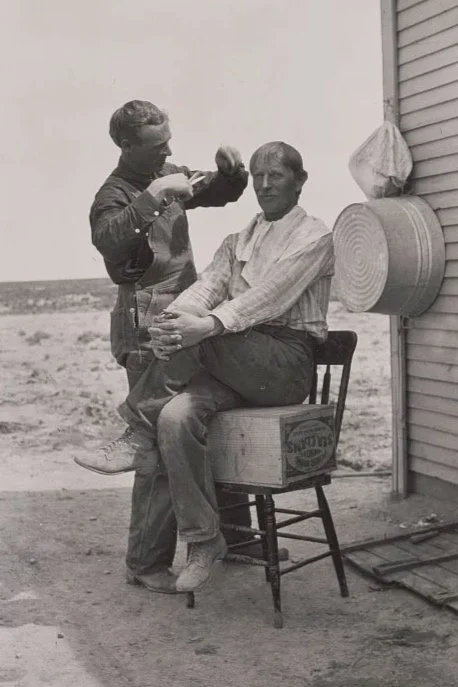
A makeshift barber shop in rural Idaho between 1912 and 1920 reflects the resourcefulness of everyday life in the early 20th century. With limited access to formal businesses, services like haircuts were often handled informally at home or outdoors, using simple tools and whatever space was available.
People's Drug Store Baseball Team, Washington, D.C.
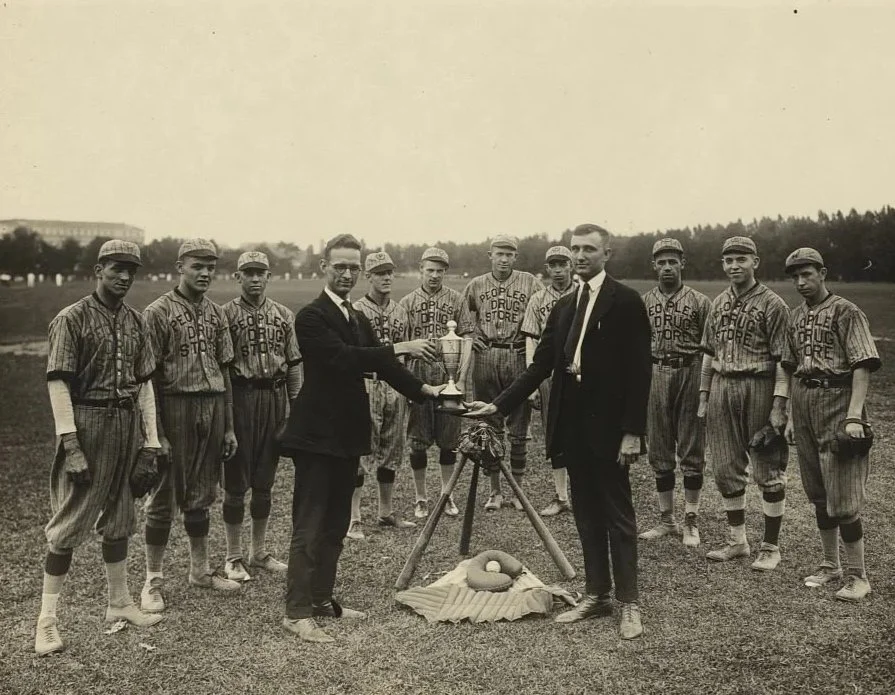
The People’s Drug Store baseball team stands together in Washington, D.C. around 1921, gathered behind a trophy that reflects the strong role of company-sponsored teams in early 20th-century America. Businesses often formed clubs to build morale and community, with baseball serving as a unifying pastime across cities and small towns alike.
Man Sitting in a Horse Drawn Cart
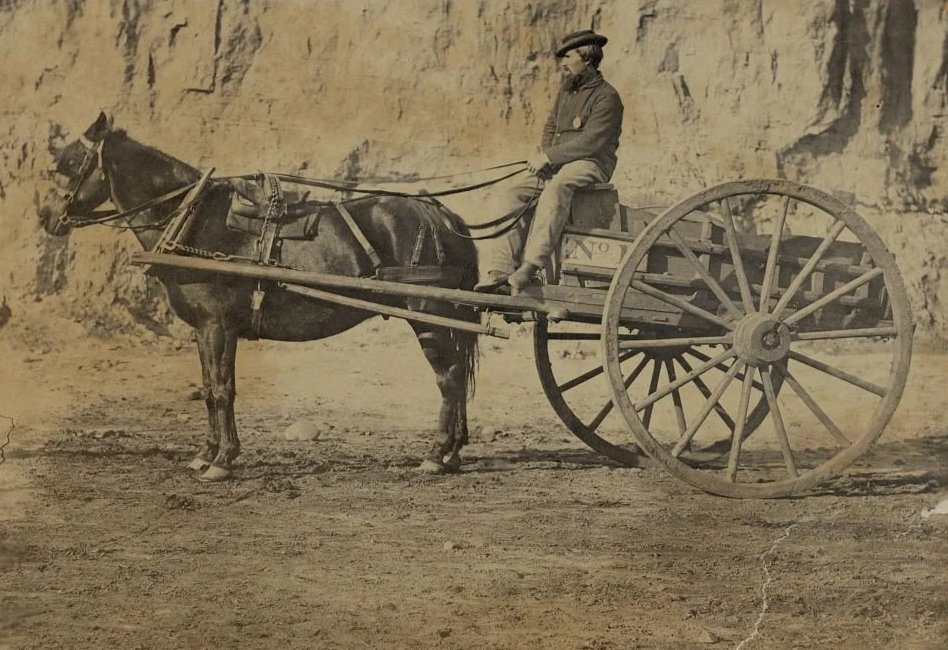
A horse-drawn cart and driver was the everyday transportation and labor that sustained the United States during the American Civil War era. Simple wagons like this were essential for moving supplies, equipment, and goods across rough terrain at a time when railroads were still expanding and mechanized transport was limited.
Protest Against Child Labor in a Labor Parade
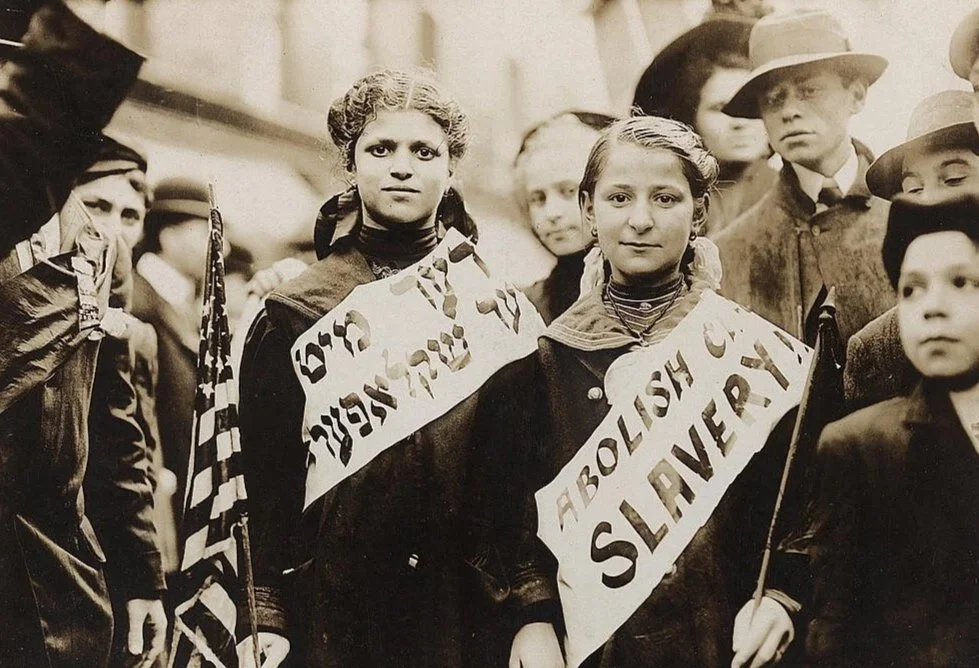
Two young girls stand at the forefront of a labor parade in New York City on May 1, 1909, wearing banners calling for the abolition of child labor in English and Yiddish. At the time, many children worked long hours in factories and mills, sparking public concern and reform efforts. Protests like this helped push forward laws that limited child labor and improved working conditions in the United States.
Spring Pulpwood Drive on the Brown Company Timber Holdings in Maine
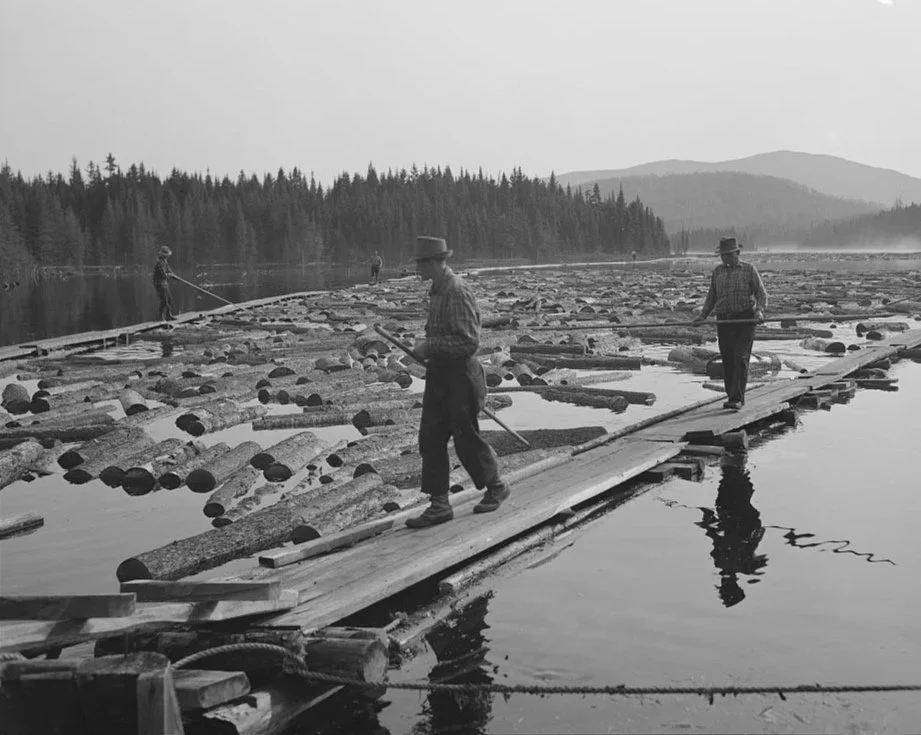
Loggers guide pulpwood across floating timbers at Long Pond in Maine during the spring drive of 1943, using pike poles to control the movement of logs into a sluiceway. Seasonal log drives were a critical part of the northern timber industry, moving cut wood from remote forests to mills by water when rivers and ponds thawed. Operations like those run by the Brown Company supplied raw material for paper production, supporting wartime demand for packaging, printing, and military needs.
Pres. Wilson Throwing Out 1st Ball, Opening Ballgame, Griffiths Ball Park, 1916, Wash. D.C.
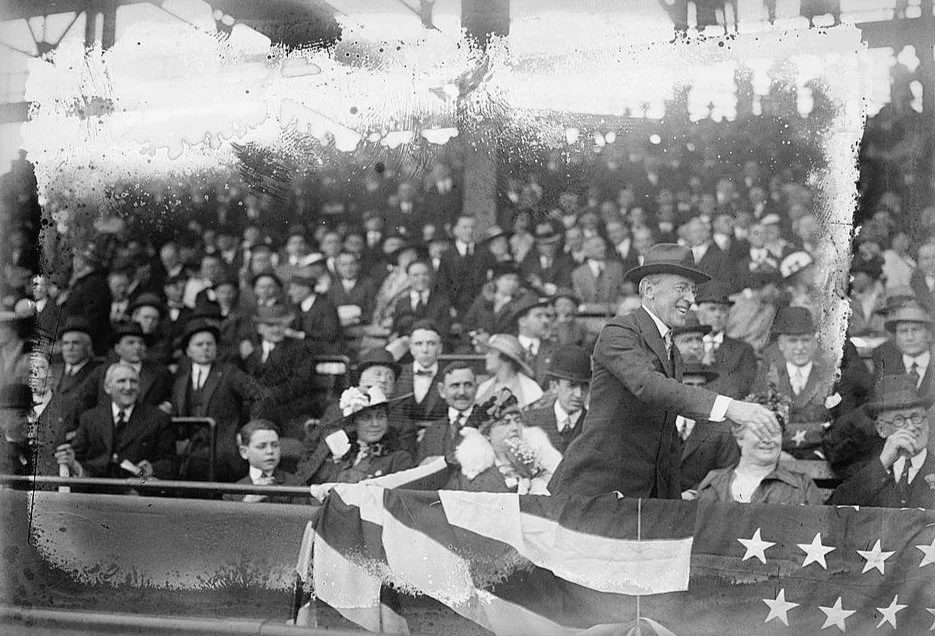
Woodrow Wilson throws the ceremonial first pitch at a 1916 opening day game at Griffith Stadium. The tradition of a president opening the baseball season dates back to the early 20th century and connected the sport to national life. At the time, baseball was firmly established as a major part of American culture, drawing large crowds and serving as a shared pastime across the country.
Farmers Freezing Ice Cream. Pie Town, New Mexico
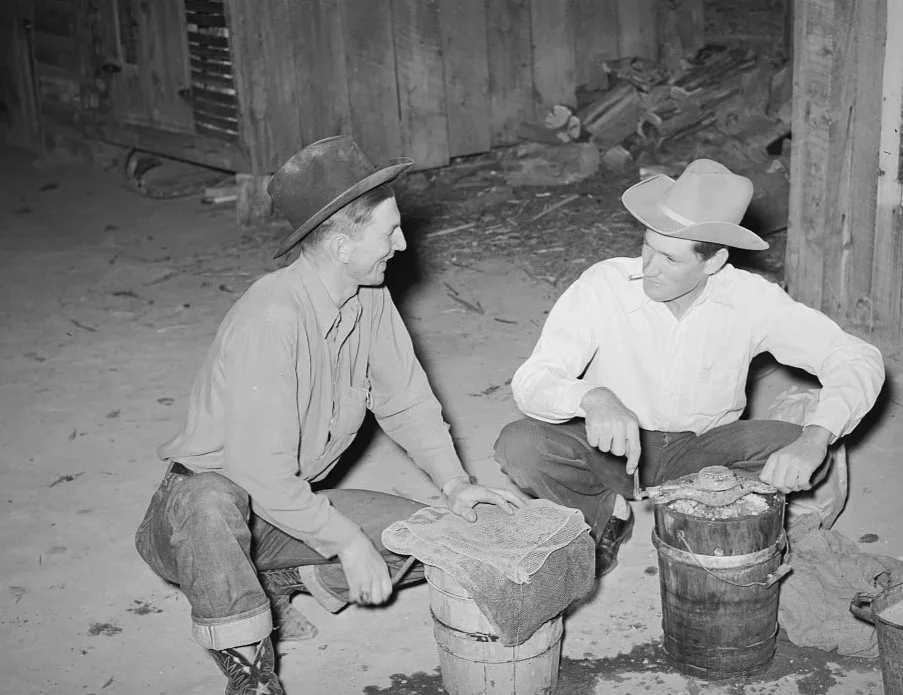
Two farmers in Pie Town, New Mexico make ice cream by hand in June 1940, using buckets packed with ice brought in from miles away. In this rural community, ice was scarce and often stored in small homemade houses insulated with sawdust. When a supply arrived, families gathered to share it, turning a simple treat into a social event that reflected the resourcefulness and close-knit life of the area.
Victory Food from American Waters
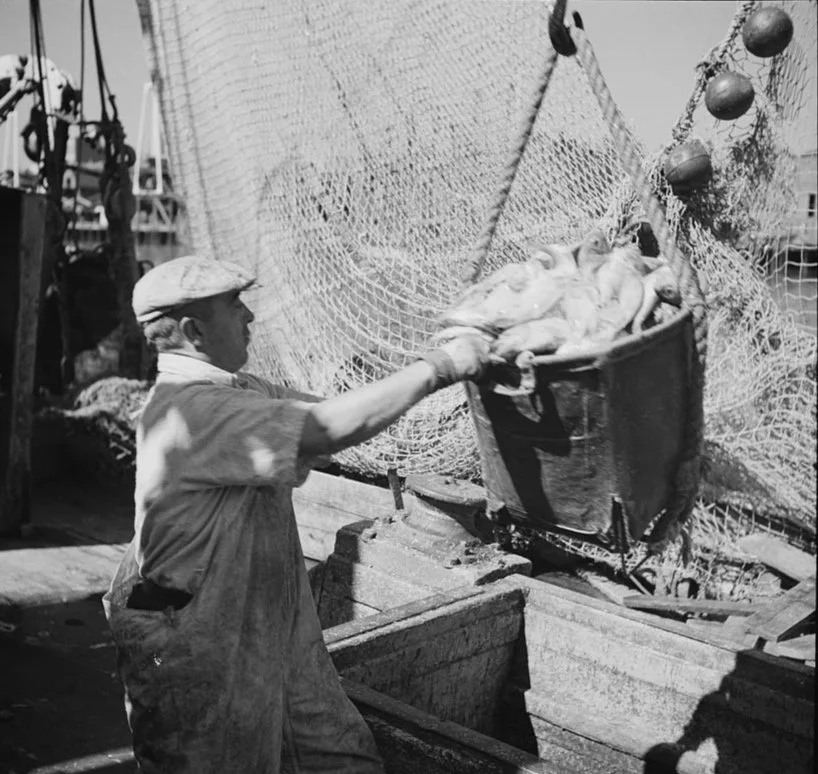
A fisherman unloads baskets of rosefish from a dockside net in 1942, part of the steady supply of seafood moving from American waters to processing plants during World War II. The catch would be inspected, prepared, and shipped to help feed U.S. troops at home and overseas. Commercial fishing played an important role in the wartime economy, supporting both civilian needs and the military through increased food production.